Water Balloon Font: A Playful Typeface for Editorial Delight
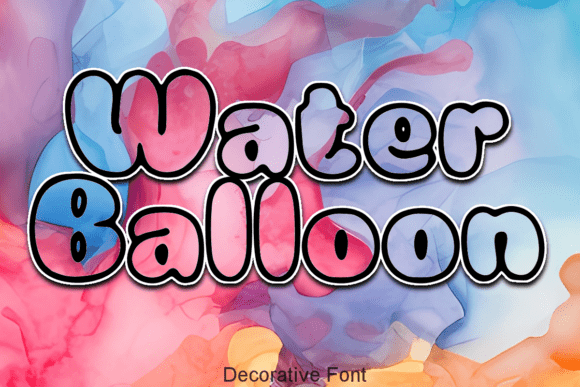
As I sat down to redesign the header of my lifestyle blog, I found myself in need of a typeface that could capture the essence of joy and whimsy. Enter Water Balloon Font, an enchantingly playful display font that effortlessly stirs up a sense of mirth and delight. This font radiates charm and whimsy, making it an ideal choice for any project that needs a touch of fun and creativity.
Capturing the Perfect Mood with Water Balloon Font
One of the most striking features of Water Balloon Font is its visual character. The letters are bouncy and lively, with a rhythm that feels almost like they're dancing across the page. This makes it perfect for creating a welcoming and engaging atmosphere, whether you're designing a blog header, a magazine cover, or a newsletter graphic. The font's personality is light and cheerful, which can help set the tone for your entire publication.
Using Water Balloon Font in Real Publishing Projects
In my recent redesign, I used Water Balloon Font for the main title of my blog. The result was a header that immediately caught the eye and set the right mood for my content. The font's playful nature made the blog feel more approachable and inviting, which is exactly what I wanted for my audience of lifestyle enthusiasts. For a recipe ebook, this font would be equally effective, adding a touch of whimsy to the titles and section headings, making the recipes feel more fun and less like a chore.
Supporting Visual Hierarchy and Reader Attention
When it comes to editorial design, visual hierarchy is key. Water Balloon Font excels in this area, as its distinct and playful style naturally draws the reader's attention. Whether you're using it for article titles, chapter openers, or pull quotes, it helps to create a clear and engaging structure. In a digital magazine layout, for example, using Water Balloon Font for section headings and pull quotes can break up the text and make the content more digestible and visually appealing.
Readability and Practical Considerations
While Water Balloon Font is a delightful choice for titles and decorative accents, it's important to consider readability, especially for longer reading. This font is best suited for larger text elements such as headlines, pull quotes, and section headings. For body copy, it's wise to pair it with a more readable serif or sans serif font. This combination ensures that the overall design remains balanced and the content is easy to read, even on screens and mobile devices.
- For Blog Headers: Use Water Balloon Font to create a memorable and inviting title that captures the essence of your blog.
- For Ebook Titles: Add a playful touch to your ebook covers and section headings, making them stand out and engage readers.
- For Newsletter Graphics: Use it for catchy subject lines and headers to grab the attention of your subscribers.
- For Pull Quotes: Highlight key phrases and quotes in a way that adds a touch of whimsy and emphasis.
Font Pairing and Design Consistency
To maintain a cohesive and professional look, it's essential to pair Water Balloon Font with complementary fonts. A clean sans serif font, such as Arial or Helvetica, can work well for body copy, while a classic serif font, like Times New Roman or Garamond, can add a touch of elegance to longer text. This combination not only enhances readability but also helps to establish a consistent and polished brand identity.
Before using Water Balloon Font in your projects, be sure to check the included styles, alternates, ligatures, and weights. Additionally, verify that the font supports the languages you need and that you have the appropriate commercial license for use in ebooks, templates, printables, and other commercial products.
In conclusion, Water Balloon Font is a versatile and charming typeface that can add a unique and playful touch to your editorial designs. Whether you're working on a lifestyle blog, a recipe ebook, or a digital magazine, this font can help you create a visually engaging and delightful experience for your readers.