Autumn History: A Bold and Nostalgic Display Font for Web Design
As a web designer, finding the right typeface can make or break the visual appeal and functionality of your digital projects. Autumn History is a premium font that stands out with its bold, nostalgic charm and medieval-inspired letter style, making it an excellent choice for fall-themed and creatively driven web designs.
Visual Characteristics and Personality of Autumn History
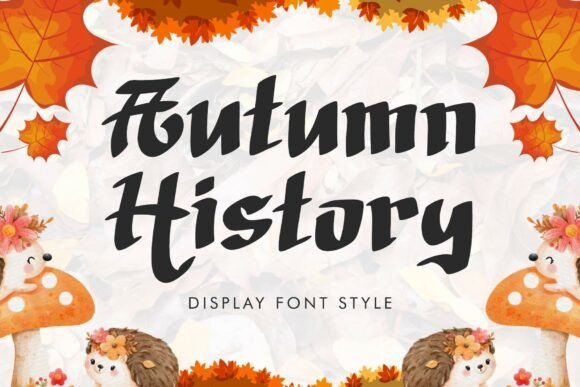
Autumn History features sharp, distinct strokes that give it a strong, commanding presence. Its medieval-inspired design adds a touch of historical elegance, while its boldness ensures that it grabs attention. This unique blend of vintage flair and seasonal charm makes it a versatile and visually appealing option for various digital applications.
Using Autumn History in Website Headers and Hero Sections
For website headers and hero sections, Autumn History can create a powerful first impression. Its bold and distinctive style is perfect for setting a strong, memorable tone. Use it for main titles to establish a clear visual hierarchy and draw users into the content. For example, a boutique online store might use Autumn History for the main header to highlight a seasonal sale or special collection.
Enhancing Readability and Visual Hierarchy
While Autumn History is a decorative display font, it's important to balance its use with more readable fonts. For body text and longer paragraphs, pair Autumn History with a clean, simple sans serif font. This combination ensures that the overall layout remains both visually engaging and easy to read. Consider using Autumn History for section headings and short phrases to maintain readability and guide the user's eye through the page.
Applying Autumn History in Call-to-Action Areas and Buttons
In call-to-action (CTA) areas and buttons, Autumn History can be used to create a sense of urgency and importance. Its bold and striking appearance makes CTAs stand out, encouraging users to take action. However, for smaller buttons and mobile screens, ensure that the font size and spacing are adjusted to maintain clarity and legibility. A well-designed CTA with Autumn History can significantly boost conversion rates.
Creating Engaging Online Shop Banners and Blog Graphics
For online shop banners and blog graphics, Autumn History adds a creative and professional touch. Use it for key messages and promotional text to catch the viewer's eye. Pair it with complementary colors and imagery to enhance the overall aesthetic. For instance, a creative portfolio site might use Autumn History for project titles and descriptions, adding a unique and personal touch to the presentation.
Font Pairing and Multilingual Support
When integrating Autumn History into your web design, consider pairing it with a simple, modern sans serif font for body copy. This creates a balanced and harmonious visual experience. Additionally, check for multilingual support if your audience is diverse. Autumn History should come with a range of styles and weights, allowing you to adapt it to different design needs and language requirements.
Commercial Licensing and Usage
Before using Autumn History in client projects, online stores, landing pages, or digital templates, ensure you have the appropriate commercial license. This not only protects your work but also supports the creators of this high-quality font. Commercial licensing typically covers usage in websites, branding, and other digital products, providing peace of mind as you build and expand your digital presence.
Conclusion
Autumn History is a versatile and visually striking display font that can elevate your web design projects. By carefully considering its use in headers, CTAs, and graphic elements, and by pairing it with complementary fonts, you can create a cohesive and engaging online experience. Whether you're designing a creative portfolio, a boutique online store, or a product landing page, Autumn History offers the perfect blend of nostalgia and modernity to captivate your audience.